Martin Hander | Building AI Systems with Python. Practical Machine Learning and Agentic Workflows with Python and PyTorch (2026) [PDF, EPUB]
Автор: Martin Hander
Издательство: Apress
ISBN: 979-8-8688-2758-7, 979-8868827570
Жанр: Python Programming, Artificial Intelligence, Statistics
Язык: Английский
Формат: PDF, EPUB
Качество: Изначально электронное (ebook)
Иллюстрации: Отсутствуют
Описание:This book is a practical, end-to-end guide for engineers and practitioners who want to move beyond prototypes and confidently deploy machine learning and large language model solutions in real-world environments.
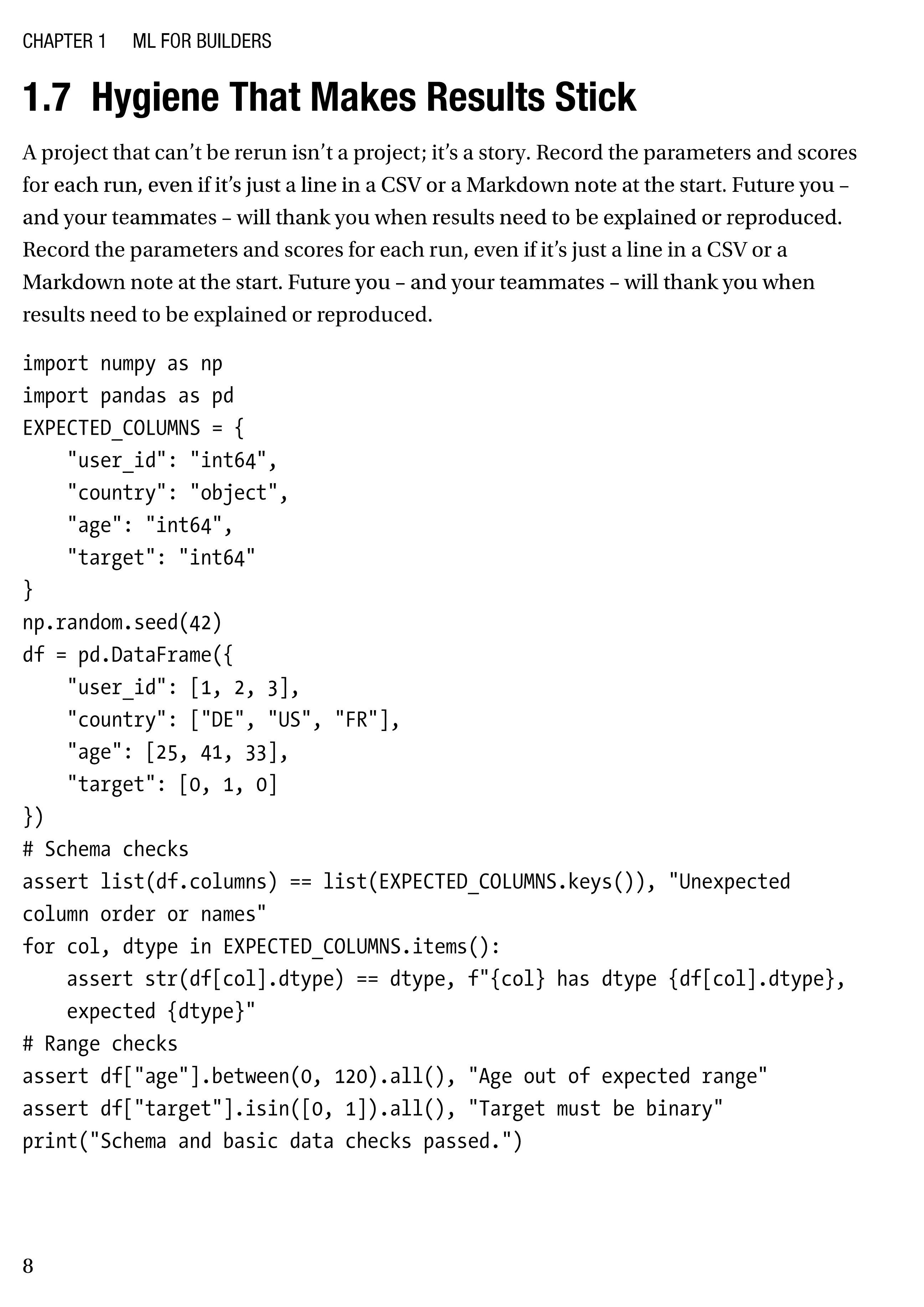
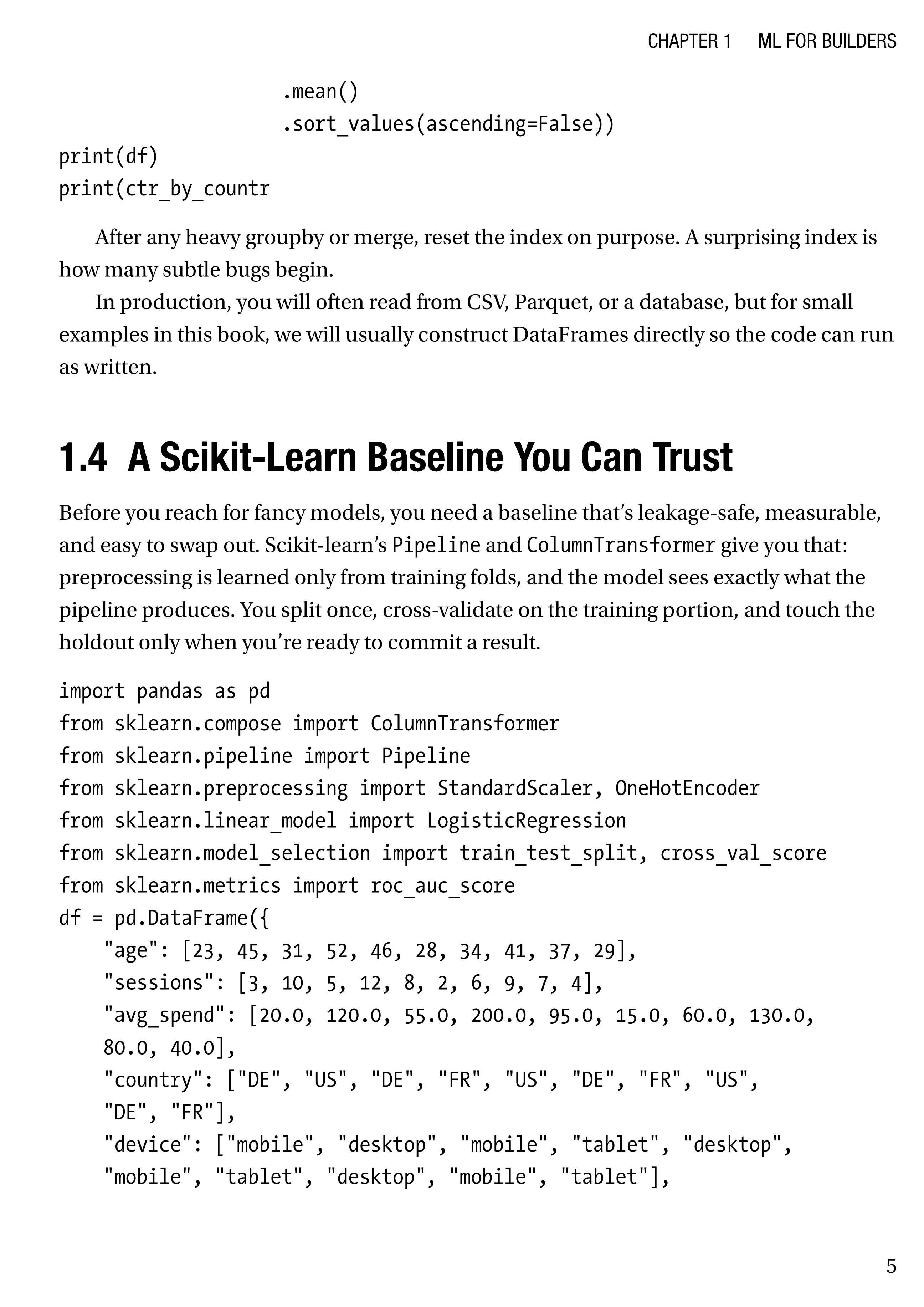
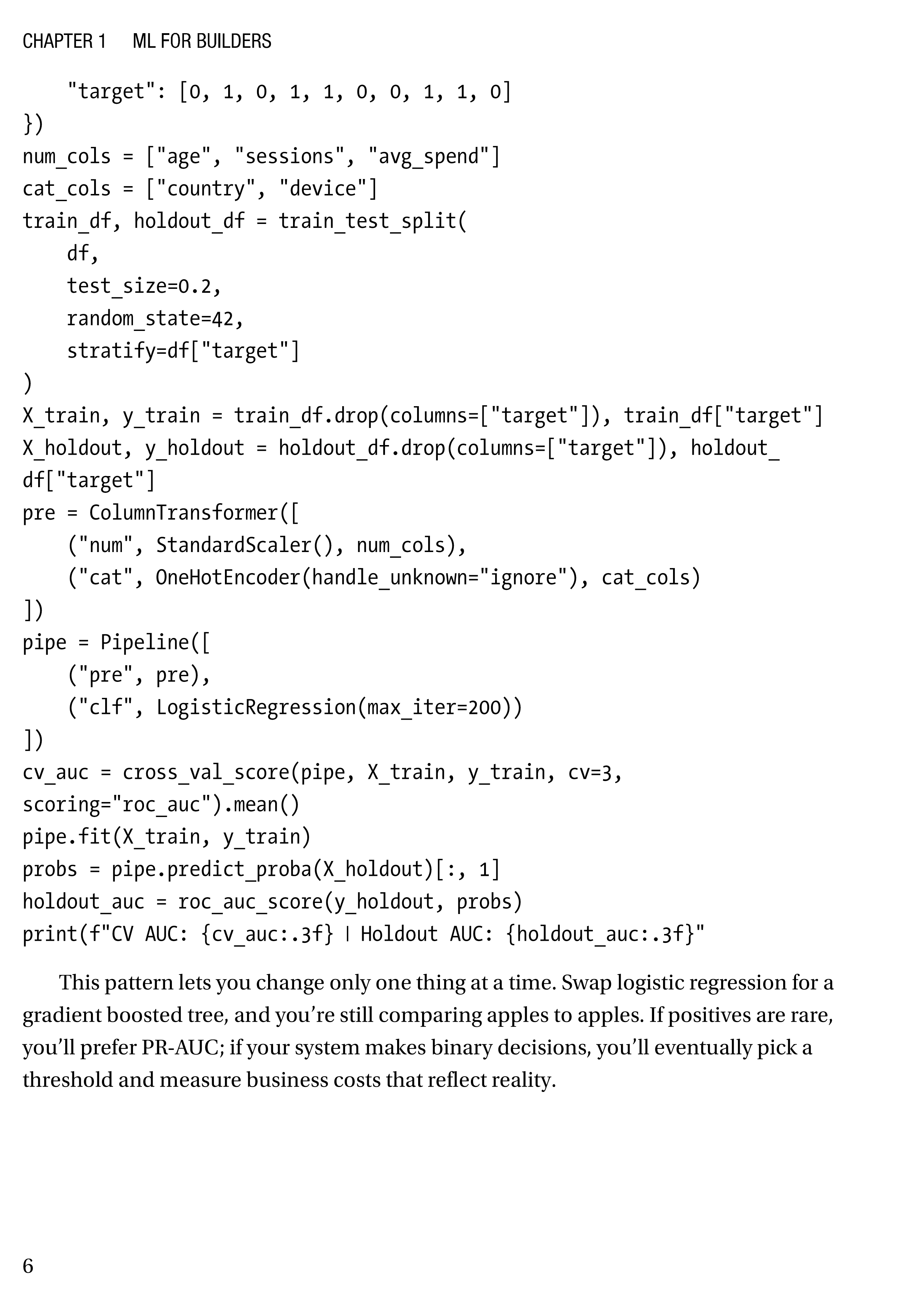
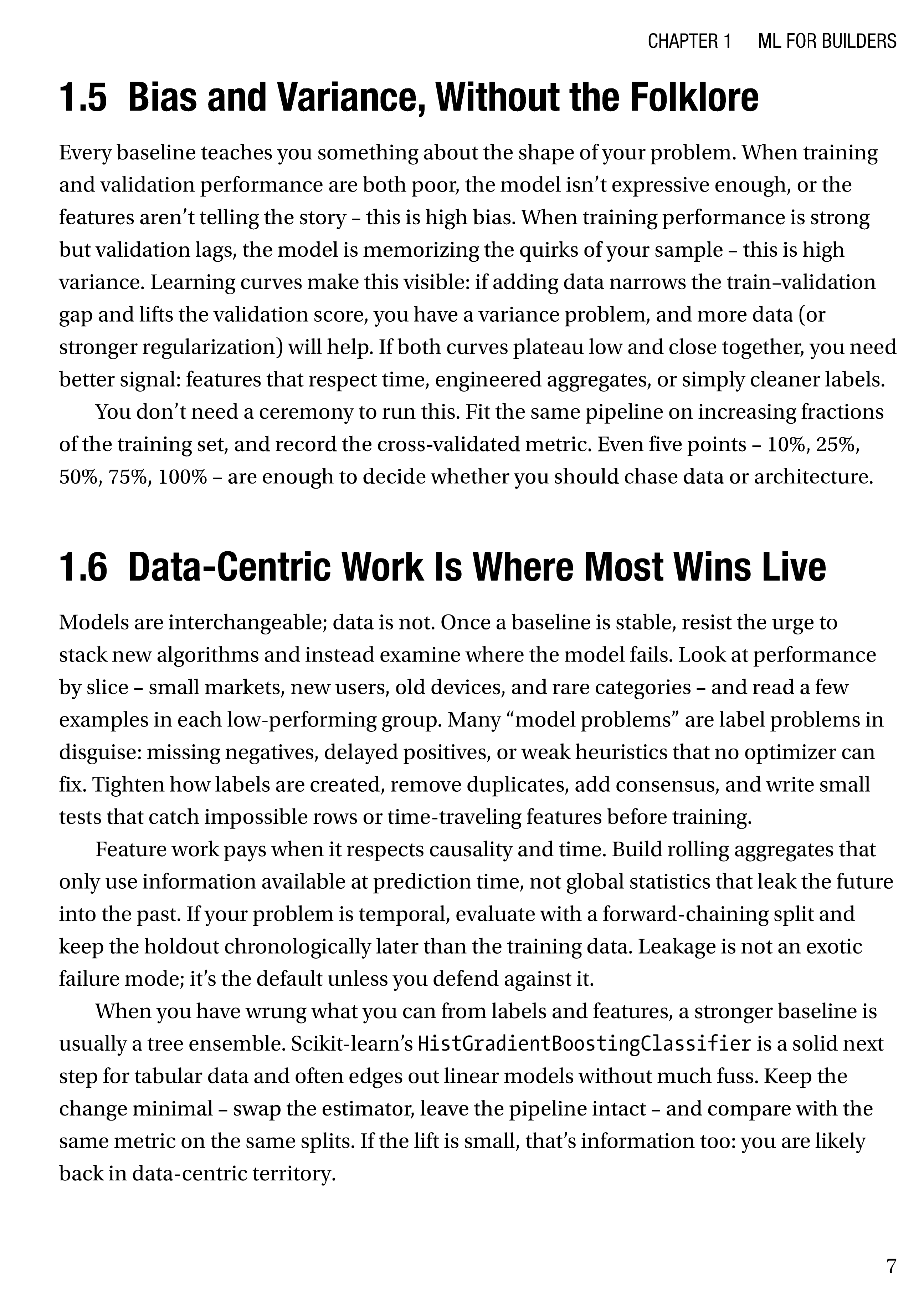
This book guides through the entire modern machine learning lifecycle. You’ll start with foundations using NumPy, Pandas, and PyArrow for data pipelines, then build solid baselines with scikit-learn. From there, you advance into deep learning with PyTorch, transformers, and LLM adaptation techniques such as LoRA and QLoRA. You’ll explore diffusion and multimodal models, and learn to build retrieval-augmented generation systems with FAISS and pgvector. Practical chapters cover agents, tool use, evaluation frameworks, observability, and responsible AI practices including privacy, safety, and governance. Finally, you’ll master deployment techniques using FastAPI, Ray Serve, TorchServe, and cutting-edge LLM serving engines like vLLM and TGI. Each concept is paired with clear code examples, testing patterns, and operational checklists. Instead of one-off tricks, you’ll adopt repeatable workflows: schema-first tooling, reproducible training pipelines, evaluation with golden datasets, and secure production rollouts with monitoring and compliance checkpoints.
In the end, this book helps you build systems that are robust, auditable, and optimized—whether you're deploying your first model or managing complex enterprise workloads. For engineers who want to ship AI confidently and responsibly, this is your practical playbook for the GenAI era.
What you will learn:
Implement modern AI models including transformers, diffusion, multimodal, recommenders, and RL using practical PyTorch examples.
Fine tune and serve LLMs with LoRA/QLoRA, quantization, RAG, tool calling, structured prompts, and robust evaluation techniques.
Design agentic AI systems with memory, planning, safe tool execution, multi agent patterns, and autonomy evaluation frameworks.
Deploy and run production grade AI with MLOps/LLMOps covering serving, performance tuning, monitoring, cost control, compliance, and edge deployments.
Who this book is for:
This book is designed for practicing machine learning and AI engineers, software engineers moving into applied AI, data scientists building production systems, MLOps/LLMOps practitioners, and technical builders who want to go beyond demos and deploy real-world GenAI, LLM, and PyTorch-based systems at scale.
About the Author xxiii
About the Technical Reviewer xxv
Acknowledgments xxvii
Introduction xxix
Part I: Foundations That Ship (with Python) 1
Chapter 1: ML for Builders 3
Chapter 2: Data Engineering for ML 11
Chapter 3: Evaluation, Testing, and Measurement 27
Chapter 4: ML Software Engineering 35
Chapter 5: Optimization 101 in PyTorch 49
Chapter 6: Transformers in PyTorch 67
Chapter 7: Diffusion and Generative Media 79
Chapter 8: Multimodal Learning 87
Chapter 9: Classical Models That Still Deliver 97
Chapter 10: Reinforcement Learning in Practice 107
Chapter 11: LLM Fundamentals 119
Chapter 12: Adapting Models Efficiently 125
Chapter 13: Prompt Engineering That Lasts 133
Chapter 14: Retrieval-Augmented Generation 143
Chapter 15: Tool Using LLMs 153
Chapter 16: LLM Evaluation and Observability 163
Chapter 17: Responsible AI Foundations 175
Chapter 18: Agent Architectures 187
Chapter 19: Memory and State 199
Chapter 20: Tools and Environments for Agents 209
Chapter 21: Multi-agent Systems 223
Chapter 22: Reliability and Determinism 233
Chapter 23: Agent Evals and Benchmarks 245
Chapter 24: From Experiment to Production 257
Chapter 25: Serving and Inference (Rewrite with Code) 267
Chapter 26: Performance Engineering 275
Chapter 27: Monitoring, Drift, and Feedback Loops 285
Chapter 28: Cost Management 295
Chapter 29: Compliance and Auditability 305
Chapter 30: On-Device and Edge AI 321
Chapter 31: Enterprise Systems and Knowledge 333
Chapter 32: Security for GenAI Systems 345
Chapter 33: Conversational and Helpdesk Bots 359
Chapter 34: Code and DevOps Assistants 369
Chapter 35: Analytics Copilots 383
Chapter 36: Ecommerce and Marketing 395
Chapter 37: Autonomous Ops and RPA 2. 409
Chapter 38: Enterprise Search and RAG 421
Index 433
Скриншоты:
Время раздачи: с 10 до 20 (минимум до появления первых 3-5 скачавших) 


 (Голосов: